
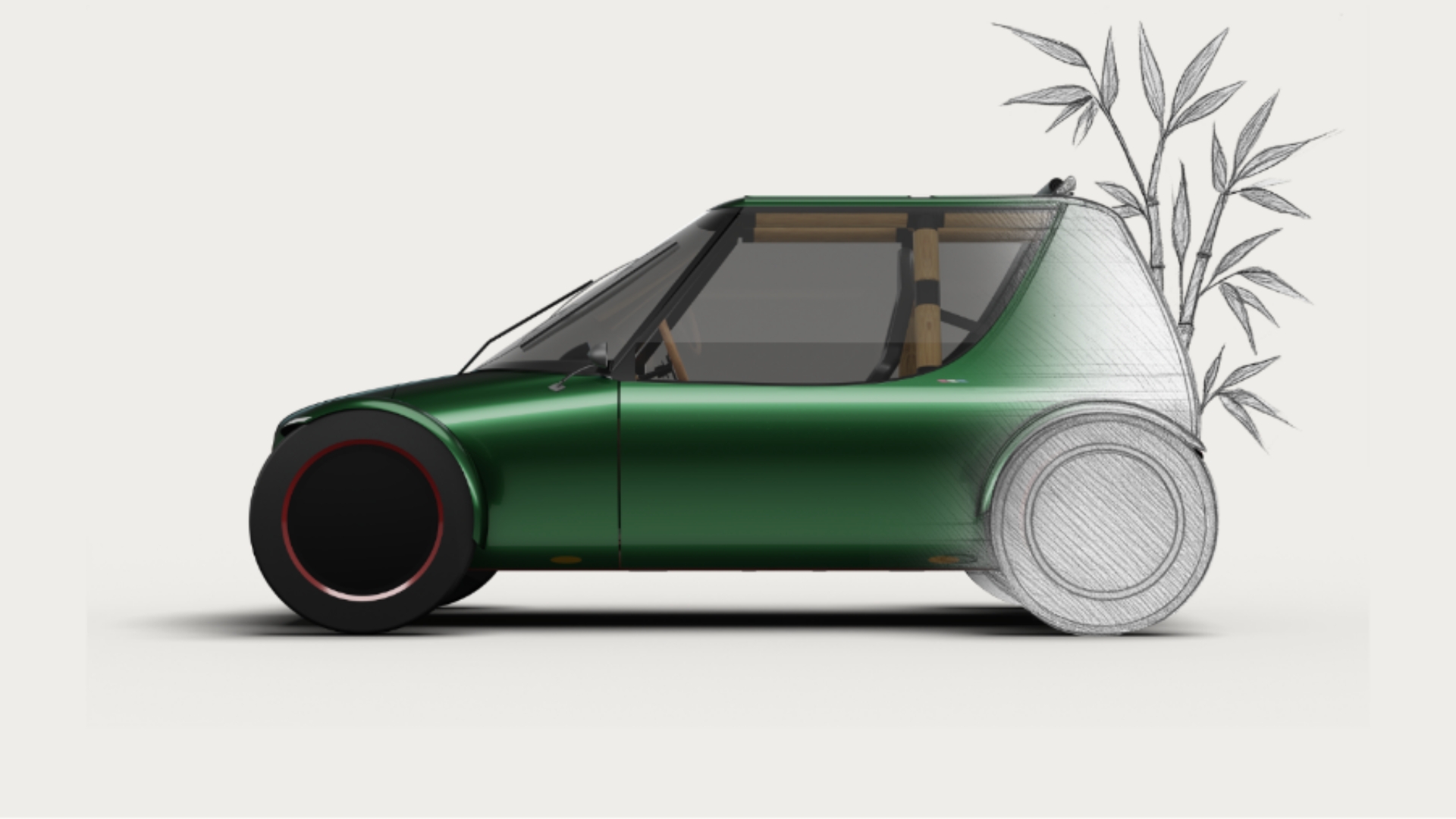
Eco-design: a strategic choice
At Arsène, eco-design isn’t just a slogan. It’s how we choose every material and process to reduce our environmental impact while ensuring performance, durability, and reliability.
At the heart of our approach are three complementary materials : bamboo, steel, and flax.11
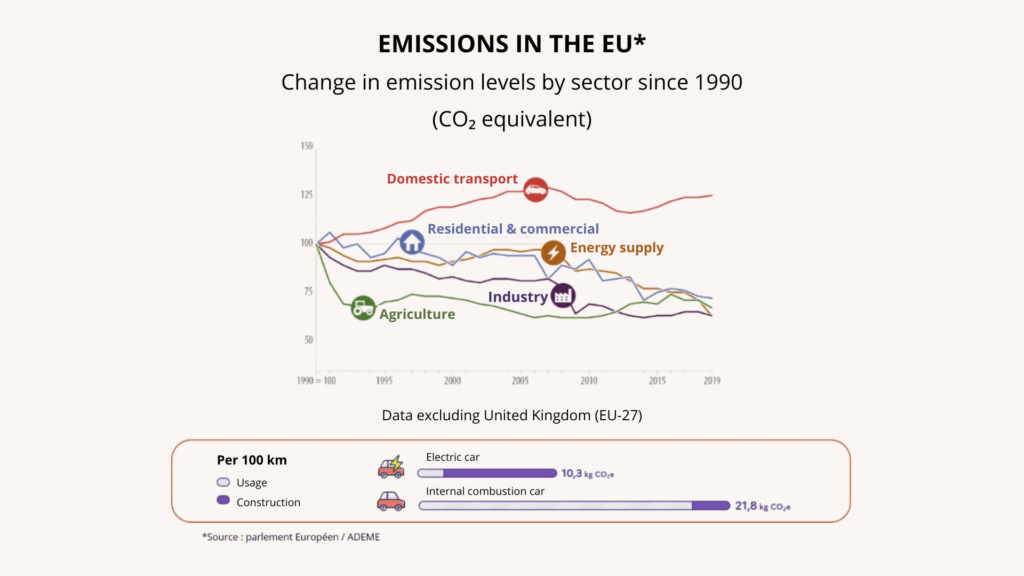
The European objective (following COP22) is to reduce transport-related emissions by 90% between 1990 and 2050… and we are nowhere near it !
Electric mobility can only work if we reduce the impact of its production.
Bamboo : natural strength and durability2
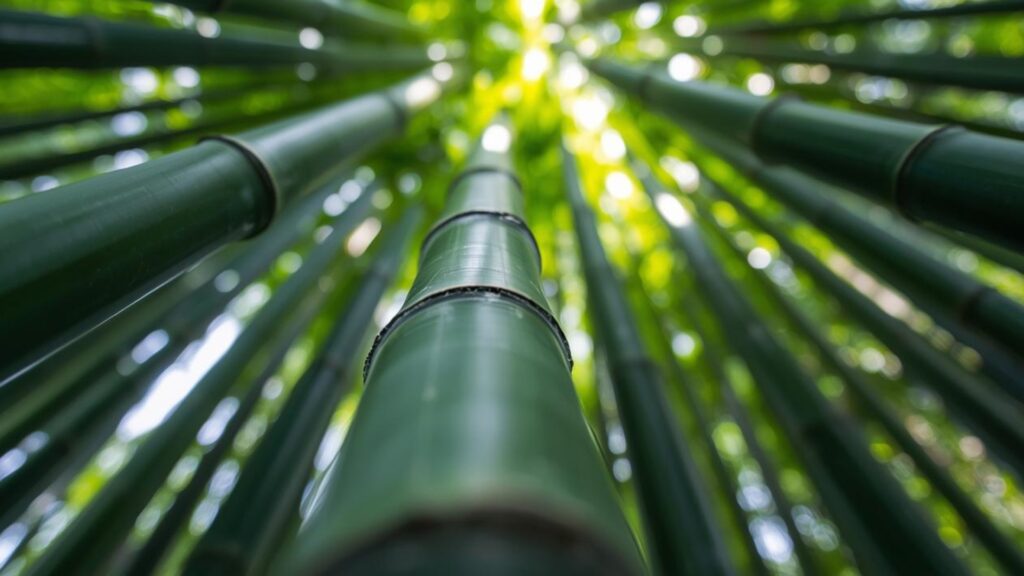
Bamboo is a natural material with exceptional properties:
High mechanical strength
Some species reach 200 MPa in tensile strength, rivaling lightweight steels.
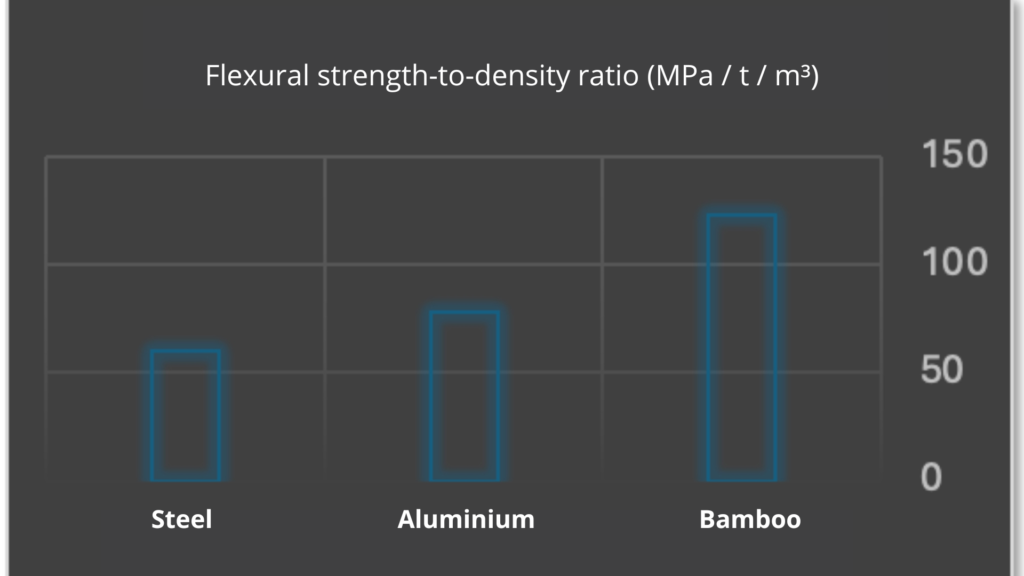
Bamboo : stronger than steel, robust and renewable
Lightweight and efficient
Lighter than steel, yet incredibly strong. Ideal for solid, durable structures.
Density Steel: 7,300 kg/m³ / Bamboo: 700 kg/m³
Renewable and fast-growing
MOSO giant bamboo, perfectly suited to the European climate (especially in the south), can grow up to 1 meter per day. In just a few months, it reaches its full height up to 30 meters. In under 5 years, it reaches full maturity and is ready to use after less than 3 months of drying.
According to Nath, A. J. et al. (2015), the average rate of carbon storage and sequestration in the above-ground biomass of managed Phyllostachys edulis bamboo forests in Japan is 138 Mg1.ha. According to the same study, managed bamboo stands absorb between 6 and 13 Mg·ha⁻¹·year⁻¹. Meanwhile, sustainable bamboo production can yield up to 7 tonnes of dry culms per hectare per year.
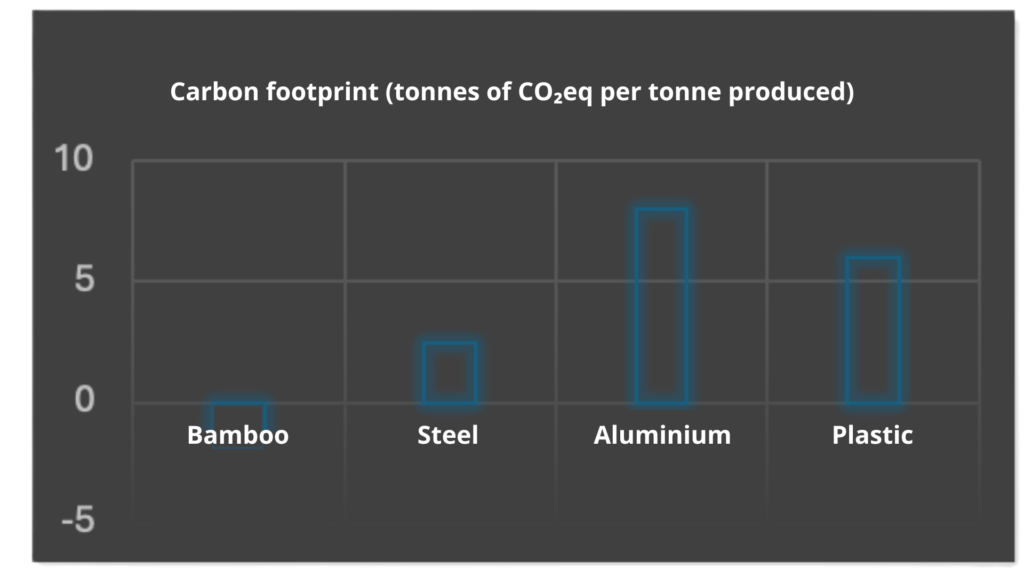
With sustainable production, and for a final product lifespan exceeding 5 years, this would result in a negative “carbon footprint” of −13 / 7 = −1.8 t CO₂eq per tonne of bamboo produced.
By comparison, producing one tonne of steel from iron ore emits around 2.5 tonnes of CO₂ globally. For aluminium, the carbon footprint exceeds 8 tonnes, and for plastics, 6 tonnes (source: ArcelorMittal).
Bamboo enables the creation of strong, durable, and eco-friendly structures, perfectly suited to automotive eco-design.
Steel : safety and versatility
Steel complements bamboo by providing :
- Rigidity and modularity for precise assemblies
- Safety and durability in high-stress areas, particularly in engineered crumple zones for passive safety (front crash box)
- Versatility to adapt the vehicle to a variety of uses
Bamboo + steel : a perfect balance
By combining bamboo and steel, Arsène creates a functional, durable, and reliable vehiclev :
- Bamboo ensures strength and natural durability,
- Steel provides precision and chassis adaptability.
Flax : body panels
Flax is used in composite body panels and selected interior parts:
- Résistance,
- Bio-based, with low environmental impact,
- Energy efficiency : a lighter vehicle uses less energy, whether it’s combustion or electric.
But we’ll cover this in a dedicated article there’s a lot to say !
In summary
| Material | Function | Advantages |
| Bamboo | Main structure | Resilient, Renewable, Solid |
| Steel | Structure & Safety | Adaptable, Rigid, Reliable |
| Flax | Crafted Composite Interior | Strength, Bio-based |
At Arsène, eco-design means putting each material exactly where it belongs.
Bamboo, steel and linen embody this approach, shaping a vehicle that is durable, robust and respectful of its environment — built to last, and to move gracefully through everyday life.
These natural materials also bring a sense of nobility and elegance, echoing Arsène’s timeless style.
En savoir plus
Discover our eco-design approach : www.arsene-manufacture.com
Follow the Arsène adventure on LinkedIn, Facebook et Instagram.
Join the Arsène CLUB.